The Macros Running Payroll: Inside America's Shadow IT Economy
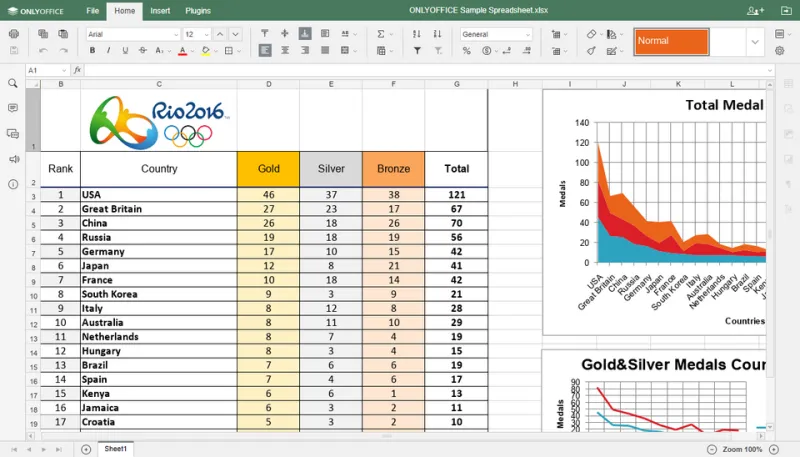
Photo: Softwaregenius, GPL, via Wikimedia Commons
Somewhere in a mid-sized distribution company in Ohio, a Visual Basic macro written by an employee who left in 2019 processes roughly $40 million in annual freight reconciliation. Nobody still at the company fully understands how it works. Nobody dares to touch it. And it appears on no IT asset inventory anywhere.
Multiply that scenario across every industry, and you get a fair picture of the shadow IT economy: the parallel technology estate that American enterprises run without knowing it. Unsanctioned SaaS subscriptions billed to corporate cards. Excel workbooks that function as de facto databases. Personal Dropbox accounts holding customer data. Slack workspaces spun up by a marketing team before anyone in IT knew there was a procurement conversation.
How the Shadow Estate Gets Built
Shadow IT is usually framed as a discipline problem — employees violating policy. That framing gets the causality backwards. In most cases, shadow systems emerge because official systems fail.
An operations analyst needs to join two data sources that the sanctioned BI platform can't connect. A regional manager needs approval routing that the official workflow tool can't model. A sales team needs a CRM view that requires a six-week ticket with the IT department. The shadow solution takes forty-five minutes to build and works today. The choice employees make is not between compliance and non-compliance. It is between doing their job and not doing their job.
This is why crackdowns routinely fail. Blocking tools doesn't eliminate the underlying need; it just pushes it further underground, onto personal devices and consumer accounts that are even harder to see and secure.
The Risk Ledger Nobody Is Keeping
The exposure created by shadow systems is not theoretical. Consider what a typical shadow estate contains:
- Business-critical logic trapped in undocumented spreadsheets with no backup, no version control, and no successor when the author departs
- Regulated data — payroll records, PHI, payment card information — sitting in consumer cloud storage with no access controls or audit trail
- Redundant SaaS spend that inflates budgets while creating overlapping data stores that conflict during audits
- Integration debt in the form of scripts and macros that break silently whenever an upstream system changes
The compliance dimension is where shadow IT stops being an inefficiency and becomes a liability. Under frameworks like SOX, HIPAA, and an expanding patchwork of state privacy laws, organizations are accountable for data handling regardless of whether the data handling was sanctioned. An auditor does not accept "we didn't know that system existed" as a mitigating control. Neither does a plaintiff's attorney after a breach.
Bringing Work Back Into the Light
The organizations that manage shadow IT successfully do not start with enforcement. They start with discovery and empathy.
Discovery means using network traffic analysis, SaaS management platforms, and expense report reviews to build an honest map of what's actually running. The results are always humbling. Most enterprises find two to three times more tools in use than in their asset inventory.
Empathy means treating every shadow system as a requirements document. That freight reconciliation macro is not a violation waiting to be eliminated — it is a detailed specification of a business process the official stack failed to support. The right response is to understand what it does, then decide whether it belongs in the sanctioned environment, gets replaced by something better, or is formalized as an accepted, documented exception.
The third lever is making the sanctioned path faster than the shadow path. Employees route around IT because IT is slow. Self-service data platforms, streamlined SaaS approval workflows, and a defined fast lane for low-risk tools remove the incentive to defect. When the official option is genuinely easier, the shadow estate shrinks on its own.
None of this happens, however, until leadership stops asking "how do we stop shadow IT?" and starts asking "what is shadow IT telling us?" The macro running payroll is a symptom. Until the underlying gap is fixed, eliminating one workaround just creates demand for the next.